Skip to content
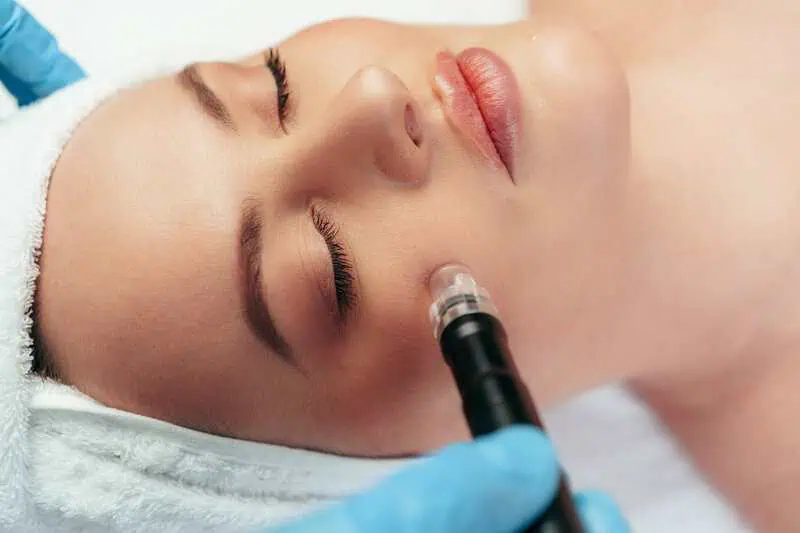
Table of Contents
The most useful way to judge a first Microneedling session is not by how the skin looks that evening, but by how it settles over the next several days. During that time, the surface barrier recovers while the deeper collagen response begins. For patients considering microneedling in San Angelo, TX, knowing what is normal can make recovery less uncertain and help prevent avoidable irritation.
Is Peeling Normal After Microneedling?
Light dryness or flaking can be normal, but heavy peeling, blistering, or increasing pain should be reported.
The Short Answer
After your first session, expect temporary redness, warmth, tightness, mild swelling, and possible dryness or light flaking. These changes are usually most noticeable during the first one to three days, although the exact microneedling healing process depends on treatment depth, skin sensitivity, the area treated, and whether PRP or radiofrequency was included. The American Academy of Dermatology notes that minor discomfort, burning, swelling, and temporary color changes may occur and often resolve within several days to a week.
What Your Skin May Feel Like Right After Treatment
Immediately afterward, the treatment area may look flushed and feel warm. This sensation may be likened to a mild sunburn. Some patients notice tightness or dryness as the numbing medication wears off. Small pinpoint marks may also be visible, especially when deeper settings are used.
The controlled microchannels created during treatment could prompt a biological repair response. The latter supports new collagen and elastin. Skin can be more reactive during this period, so products that felt comfortable before treatment may sting until the barrier settles.
The First Week: A Practical Recovery Timeline
This general timeline shows what may happen after a first session. Your provider’s instructions should take priority because treatment settings and skin conditions differ.
- First 24 hours: In this timeframe, redness, warmth, mild swelling, and tenderness are usually at their peak. Thus, you should avoid unnecessary touching and use only products approved by your provider.
- Days two and three: Redness often fades. However, the skin may feel tight, dry, or slightly rough. Moreover, light flaking can begin, and makeup or active skin care may still need to wait.
- Days four and five: Here, you can expect that most visible irritation should continue to settle. A sandpaper-like texture can occur as the outer layer normalizes, but it should not be scrubbed away.
- Days six and seven: Many microneedling patients can return to a simplified routine, though acids, retinoids, and exfoliating products may require more time.
- Following weeks: Early brightness may appear once surface irritation clears. Collagen-related changes could still develop more gradually. At this point, your provider may require a series of sessions.
Common Microneedling Side Effects
Expected microneedling side effects are generally temporary and limited to the treated area. They may include redness, mild swelling, tenderness, dryness, itching, light flaking, or temporary sensitivity to products and sunlight. Bruising and pinpoint bleeding can occur but are not expected by everyone.
Reactions should improve rather than become more intense. Contact your provider about worsening pain, spreading redness, drainage, blistering, marked swelling, fever, or skin changes that were not discussed during your consultation. Extra guidance may be needed for a history of cold sores, post-inflammatory pigment changes, or slow wound healing.
Microneedling Aftercare for a Calmer Recovery
Good microneedling aftercare is intentionally simple. Cleanse with lukewarm water and a mild product when your provider says it is safe, then apply the recommended moisturizer or post-procedure formula. Avoid introducing a new serum simply because it is labeled soothing, since fragrance, acids, or botanical extracts may irritate treated skin.
For the first few days, avoid retinoids, exfoliating acids, scrubs, picking, and at-home devices. Heat can increase redness, so strenuous workouts, hot showers, saunas, and steam rooms may need to be paused. Once sunscreen is permitted, use it consistently and limit direct sun exposure. Makeup timing varies after deeper treatment, so follow the instructions from your appointment rather than a fixed online rule.
What Changes When Microneedling Is Combined With PRP?
Microneedling with PRP combines controlled needling with platelet-rich plasma prepared from the patient’s own blood. PRP contains a concentrated portion of platelets and may be applied or injected according to the provider’s protocol. Research has explored the pairing for concerns such as atrophic acne scars, but protocols and outcomes vary; the FDA also notes that it has not reviewed the safety or effectiveness of microneedling devices used with PRP as a combination.
The skin may still be red, warm, tight, or mildly swollen afterward. A blood draw may also leave temporary soreness or bruising at the collection site. Aftercare remains gentle, and only approved products should be used while the skin barrier recovers.
What to Expect After PiXel8-RF Microneedling
PiXel8-RF Microneedling San Angelo, TX pairs microneedles with radiofrequency energy delivered below the skin’s surface. The manufacturer describes the platform as using controlled heat and micro-injuries to support dermal remodeling and improve the appearance of texture and laxity, while the FDA database lists PiXel8-RF under its cleared device record.
Recovery can include redness, swelling, warmth, tenderness, and temporary roughness, with intensity influenced by needle depth, energy settings, and treatment area. Because RF microneedling adds heat below the surface, provider training and patient-specific settings are important. In October 2025, the FDA issued a safety communication after reports of serious complications with certain RF microneedling uses, so severe pain, blistering, burns, prolonged swelling, or unexpected contour changes deserve prompt evaluation.
When Will You See a Difference?
The first visible change may be a refreshed appearance after redness and dryness resolve. Collagen-related improvement is slower. Thus, texture, firmness, or acne scars should be assessed over several weeks rather than the first few days. Some concerns require a planned series and maintenance based on individual progress.
Beauty Abound Aesthetics Microneedling in San Angelo, TX
Beauty Abound Aesthetics offers collagen induction treatments for patients concerned about fine lines, uneven texture, and acne scars. Instead of relying on harsh exfoliation, treatment creates precise microchannels that encourage the skin’s own repair activity.
Patients can discuss traditional treatment, microneedling with PRP, and PiXel8-RF Microneedling based on their skin, goals, and recovery preferences. A consultation with our team also provides time to review medications, active breakouts, previous pigment changes, and upcoming events that may affect scheduling. The goal is a plan that respects how the skin heals rather than automatically choosing the most intensive setting.
Book a consultation for personalized microneedling recommendations.
Frequently Asked Questions
How Long Does Redness Last After Microneedling?
Redness often improves within a few days, although deeper treatment or sensitive skin may take closer to a week to settle.
Can I Wash My Face After My First Microneedling Session?
You may be asked to wait before cleansing, so use the timing and cleanser recommended by your provider.
When Can I Wear Makeup After Microneedling?
Makeup should wait until your provider confirms that the skin barrier is ready, which may be the next day or longer after a deeper session.