Skip to content

Table of Contents
Melasma is a skin condition that often develops incognito. At first, it may look like a faint discoloration that blends with one’s natural complexion. Over time, those darker patches can become more visible, spreading across the face.
With the right knowledge and a targeted approach, effective melasma treatment can help restore balance to the skin and improve tone over time.
What Is Melasma?
Melasma is a form of hyperpigmentation on the skin. It is commonly caused by an overproduction of melanin. The latter is the pigment responsible for skin color. Instead of distributing evenly, melanin collects in clusters. This produces brown or grayish patches that commonly appear on the face.
These patches may develop symmetrically on both sides of the face. Thus, melasma affects the cheeks, forehead, upper lip, nose, and jawline. Because melasma is linked to deeper skin processes, it behaves differently from sunspots or post-acne marks. This is why treating it requires a specialized treatment strategy.
Common Causes Behind Melasma
Melasma rarely has a single cause. It typically develops as the result of several contributing factors working together.
Hormonal fluctuations are one of the most common triggers. These may be attributed to Pregnancy, birth control use, and hormone replacement therapy. All of these can stimulate melanocytes, leading to pigment irregularities. For this reason, melasma is more common in women, particularly during reproductive years.
Sun exposure is another major contributor. UV rays activate melanin production, and even limited exposure can darken existing melasma. Heat alone can also become a melasma culprit. This factor stimulates pigment cells even without direct sunlight.
Lastly, would be genetics. It may increase susceptibility as well. People with a family history of melasma or naturally darker skin tones are more likely to experience this condition.
Recognizing the Symptoms of Melasma
Melasma presents as flat patches of discoloration rather than raised or textured spots. The color may range from light tan to deep brown or gray. It will still depend on skin tone and how deeply the pigment sits in the skin.
Unlike other skin concerns, melasma does not produce itching, pain, or irritation. Its impact is primarily visual. Many patients notice that the pigmentation becomes darker during the summer months. Then, it fades slightly during cooler seasons when sun exposure decreases.
Because melasma often develops gradually, several patients may not realize how much it has progressed until it becomes difficult to cover with makeup or other skin care products.
Why Melasma Can Be Difficult to Treat
One of the most challenging aspects of melasma is its tendency to return. This scenario is possible if treatment is inconsistent or if triggers are not managed. Since melasma involves deeper pigment activity, surface-level solutions are often ineffective on their own.
This is why professional melasma removal treatment focuses on addressing pigment production. The professional approach is also renowned for strengthening the skin barrier. Successful melasma outcomes require patience, consistency, and a treatment plan tailored to each individual’s skin type and lifestyle.
Treatment Options for Melasma
There is no universal solution for melasma. Effective care heavily depends on the depth of the pigmentation, skin sensitivity, and underlying triggers. For best results, patients may need to resort to combining professional treatments and proper skincare habits.
Topical Therapies and Skin Renewal
Medical-grade topical formulations are often the initial step for melasma treatment. These products can help regulate melanin synthesis and encourage the gradual fading of dark patches. Topical products for melanin also support skin health, making future treatments more effective.
Chemical Peels for Pigment Correction
A chemical peel for melasma works by exfoliating the upper layers of the skin. It is also designed to stimulate cell turnover. When performed correctly, peels may improve tone, enhance brightness, and help other treatments to penetrate the skin more effectively. Peels must be selected carefully to avoid irritation, which can worsen pigmentation if not properly managed.
Laser and Light-Based Treatments
In certain scenarios, laser treatment for melasma can be the best route. These treatments can target pigment clusters found beneath the surface. This action will break them apart so the body can naturally eliminate excess melanin.
Because melasma is sensitive to heat, laser settings and technology selection are critical to prevent rebound pigmentation.
Comprehensive Pigmentation Care
A well-rounded Pigmentation treatment for melasma does not rely on a single method. Combining treatments allows providers to address melasma at multiple levels while minimizing irritation and reducing recurrence.
Treating Melasma on the Face
Facial melasma requires special care. This is because the skin in this area is more exposed and sensitive. A tailored melasma on face treatment focuses on gradual correction rather than aggressive intervention.
Areas such as the upper lip and cheeks often respond differently to treatment due to varying skin thickness and sun exposure patterns. Professional evaluation is necessary here. It will ensure that each area is treated appropriately without compromising skin integrity.
What Makes the Best Treatment for Melasma?
The best treatment for melasma is one that aligns with your skin type, lifestyle, and the underlying cause of pigmentation. It is important to emphasize that melasma is not a condition that benefits from a one-size-fits-all approach.
Consistent sun protection, professional treatments, and ongoing maintenance are needed for long-term success. Addressing hormonal influences and avoiding unnecessary heat exposure can also improve outcomes and reduce flare-ups.
Preventing Melasma from Returning
While melasma cannot always be prevented, flare-ups can often be minimized. Daily sun protection is vital, even on cloudy days. Also, if you are spending time indoors near windows, you should still apply sun protection.
Using gentle skincare products, avoiding excessive heat exposure, and following professional guidance can help maintain results. Maintenance treatments may also be recommended to keep pigmentation under control.
When to Seek Professional Treatment
Suppose the pigmentation continues to darken or does not respond to over-the-counter products; patients should seek professional care. In fact, early intervention can prevent melasma from becoming more entrenched and harder to manage.
With expert guidance and a thoughtful approach, melasma can be treated effectively. This allows the patient’s natural tone to shine through with clarity and confidence.
Beauty Abound Aesthetics Melasma Treatment in San Angelo, TX
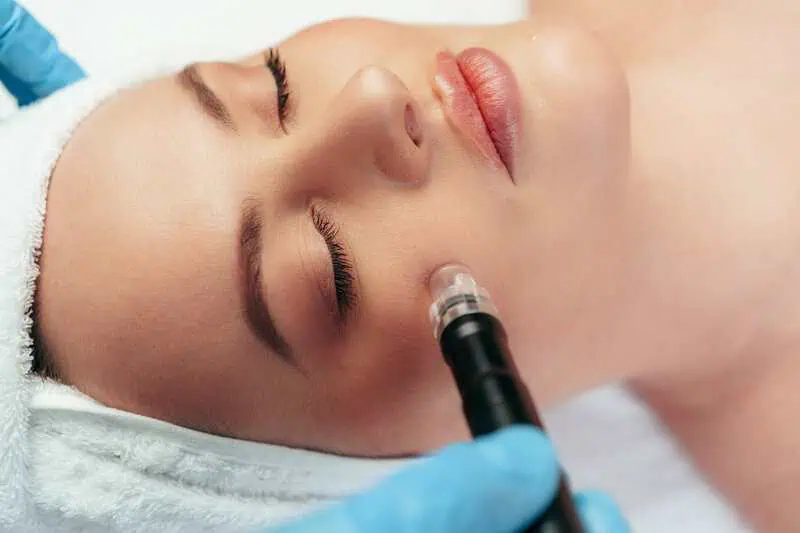
At Beauty Abound Aesthetics, melasma treatments are designed to address facial melasma, including the cheeks, forehead, and upper lip. Our goal is to restore balance to the skin while promoting a refreshed, rejuvenated appearance.
There are multiple methods available for breaking up pigment, encouraging healthy cell turnover, and improving overall skin texture. The best melasma treatment varies depending on the severity of pigmentation and individual skin sensitivity.
If you are searching for professional Melasma Treatment in San Angelo, TX, the team at Beauty Abound Aesthetics provides customized treatment plans tailored to your skin’s needs.
Book Your Melasma Consultation Today.
Frequently Asked Questions
What causes melasma to develop on the face?
Melasma develops when pigment-producing cells become overstimulated due to factors such as sun exposure, hormonal changes, and genetic predisposition.
Can melasma go away on its own without treatment?
Melasma may fade slightly over time, but professional treatment is often needed to achieve noticeable and lasting improvement.
Is laser treatment safe for melasma?
Laser treatment can be safe and effective for melasma when performed by experienced providers using appropriate technology and settings.
How long does it take to see results from melasma treatment?
Most patients begin to notice gradual improvement after several weeks, with continued progress as treatments and skincare are maintained.
Will melasma come back after treatment?
Melasma can return if triggers such as sun exposure or hormonal changes are not managed, which is why ongoing maintenance and sun protection are essential.